Heat Pumps
Heat Pumps
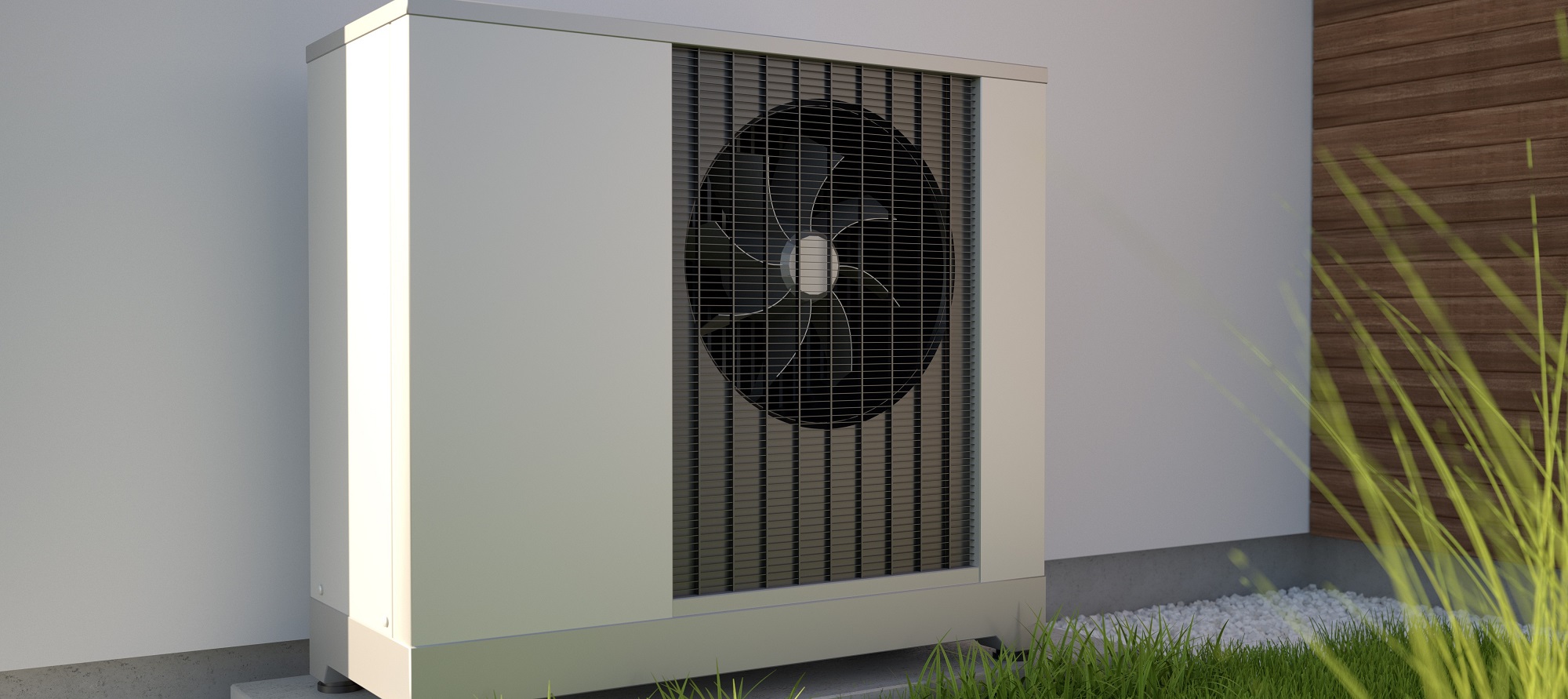
Heat pumps are suitable for almost all homes and may also reduce your energy bills, depending on the system you are replacing.
A heat pump captures heat from outside and moves it into your home. It uses electricity to do this, but the heat energy delivered to your home is much more than the electrical energy used to power the system. Electricity is becoming increasingly low carbon, as more renewable sources are connected to the electricity grid, replacing existing gas and coal power stations. This makes a heat pump an extremely low carbon heating option as our electricity grid further decarbonises.
- Air Source Heat Pump- sometimes referred to as an air-to-water source heat pump, transfers heat from the outside air to water, which heats your rooms via radiators or underfloor heating. It can also heat water stored in a hot water cylinder for your hot taps, showers and baths. Heat from the air is absorbed into a fluid. This fluid then passes through a heat exchanger into the heat pump, which raises the temperature and then transfers that heat to water. Air source heat pumps are suitable for many types of homes and are the most common type of domestic heat pump, with tens of thousands of installations across the UK.
- Ground Source Heat Pump- sometimes referred to as a ground-to-water heat pump, transfers heat from the ground outside your home to heat your radiators or underfloor heating. It can also heat water stored in a hot water cylinder for your hot taps and showers. Thermal transfer fluid (TTF), a mixture of water and antifreeze (sometimes known as ‘brine’) flows around a loop of pipe, buried in your garden or outdoor space. Heat from the ground is absorbed into the fluid, which then passes through a heat exchanger into the heat pump. This raises the temperature of the fluid and then transfers that heat to water.
Visit the Energy Saving Trust to learn more about heat pumps and to find out if they are right for you, or https://switchtogether.co.uk/heat-pumps to register interest for collective purchasing opportunities.
Green Energy Suppliers
Switching to a green energy provider is one of the easiest and quickest ways to reduce your carbon footprint.
Choosing a green tariff demonstrates there is a demand for greener energy and sends a message to your supplier and the wider industry that you wish to avoid electricity generated from fossil fuels and support renewable energy generation. This is a valuable contribution, whichever green tariff you choose. In addition to the big energy providers introducing green tariffs, there are companies who specialise in selling only green energy. It doesn’t necessarily cost more and could save you money.
Remember, as the energy price crisis continues, it may be best to stick with your current supplier for now, as many suppliers are not currently taking on new customers and you may not save anything from switching to another supplier.